AGRICULTURE
Strengthening Farmer Field Schools for Climate-Smart Agriculture
Practical Training Transforms Farming Practices Across Rwanda, Building Farmer Confidence and Yields.
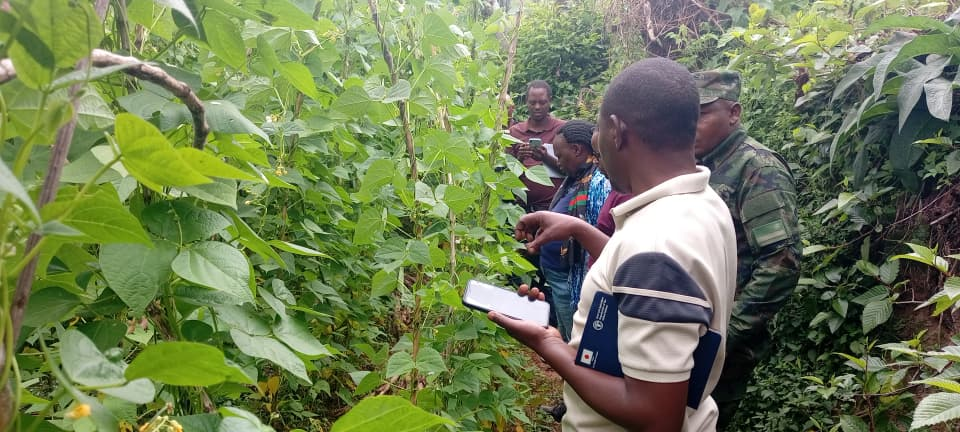
BIOHARVEST SOLUTIONS Ltd is significantly expanding its Farmer Field School (FFS) network across Rwanda's key agricultural districts to reach over 3,000 additional farmers annually. The expansion builds on the Good Agricultural Practices (GAP) Promotion Program and the Hinga Neza Initiative in Musanze district.
Season-long practical learning
Farmer Field Schools are community-based learning centers where farmers engage in season-long, practical training directly in farming communities. Participants work alongside extension specialists and community trainer-farmers to implement Conservation Agriculture Plus techniques in demonstration plots.
Core CA+ techniques
- Minimum soil disturbance through reduced and zero-tillage practices.
- Permanent soil cover through mulching and crop residue retention.
- Diversified crop rotation for soil fertility and pest management.
- Integrated pest management using climate-smart approaches.
Measured results
The Hinga Neza Initiative reports examples including Irish potato production increasing from 8.9 tons per hectare to 29.11 tons per hectare, and maize yields improving from 2.6 tons per hectare to 5.87 tons per hectare. Farmers practicing CA+ have also reported increased soil fertility, improved water retention during dry seasons, and crop yield increases ranging from 40–70% depending on the crop.
BIOHARVEST reports 165 Farmer Field Schools and demonstration plots across Nyabihu, Musanze, Burera, Gakenke and other districts, with learning sites designed to continue through farmer leadership and peer learning.
FINANCIAL INCLUSION
Building Stronger Farming Communities Through VSLAs
Village Savings and Loan Associations Mobilize 125+ Million Rwandan Francs, Transforming Rural Finance and Agricultural Investment.
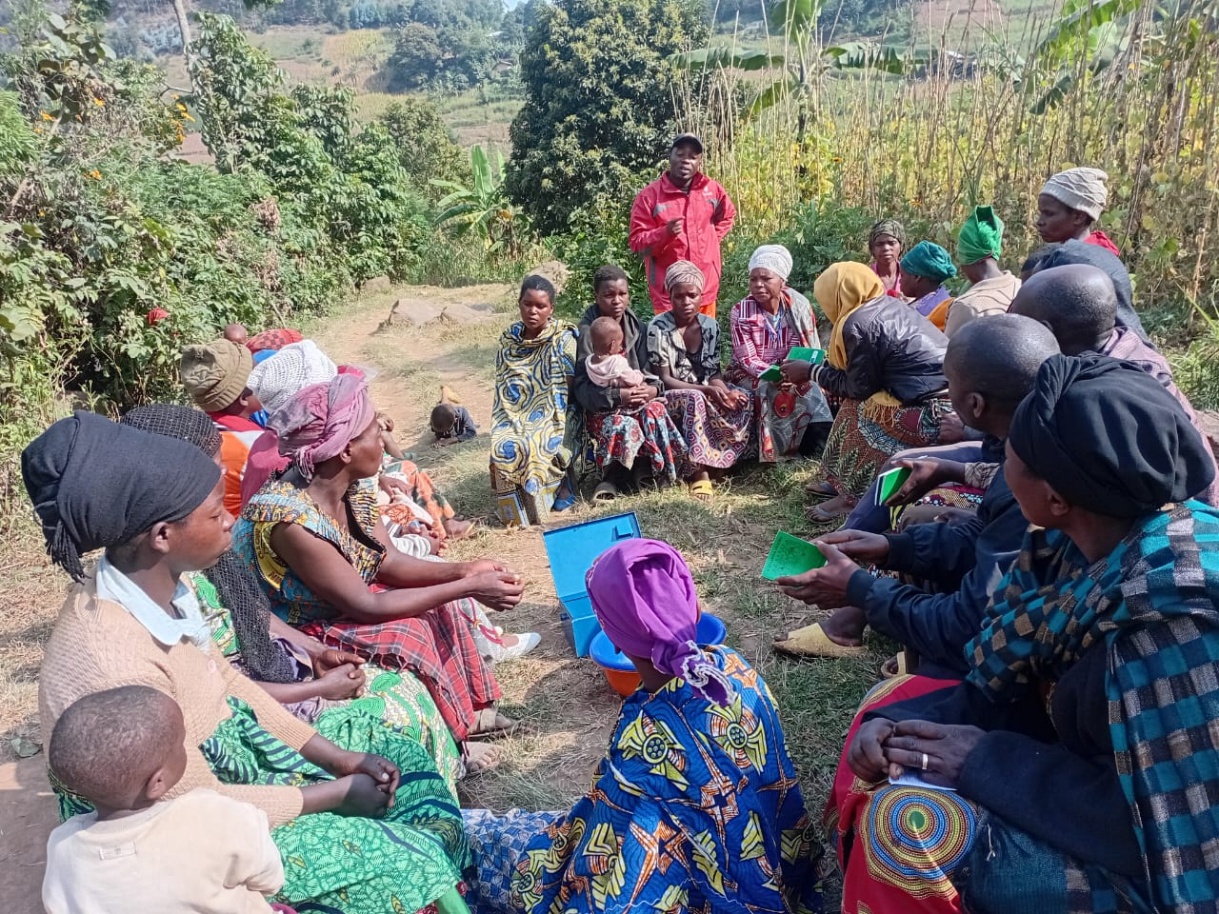
Financial exclusion has long been a barrier to agricultural transformation. BIOHARVEST addresses this constraint through Village Savings and Loan Associations—community-based financial systems that enable savings, affordable credit and household economic resilience.
How VSLAs work
- Members make regular savings contributions that build community capital.
- Accumulated savings become credit pools for agricultural investment, household needs, small businesses and emergencies.
- Members build financial literacy, bookkeeping and transparent record-keeping skills.
- Elected leadership structures support democratic decision-making and accountability.
- VSLAs can provide social protection functions including support for health emergencies, school fees and income smoothing.
Scale and impact
BIOHARVEST reports 125+ functional VSLAs across multiple districts, over 125 million Rwandan francs mobilized in community savings, more than 4,950 farmers accessing affordable agricultural credit, and loan repayment rates exceeding 95% across its VSLA networks.
Hinga Neza in Musanze
The Hinga Neza Initiative, implemented in Musanze beginning in 2025, has established 128 functional VSLAs, mobilized over 150 million Rwandan francs in community savings and provided affordable agricultural credit to more than 850 farmers. The broader initiative has engaged 9,200 farming households and established 165 demonstration plots.
The initiative also emphasizes women's participation through inclusive community financial structures and leadership opportunities.
EVENTSJune 28, 2026
BIOHARVEST SOLUTIONS Ltd Showcases Innovation at Burera Open Day Expo
Burera District, Rwanda — June 28, 2026
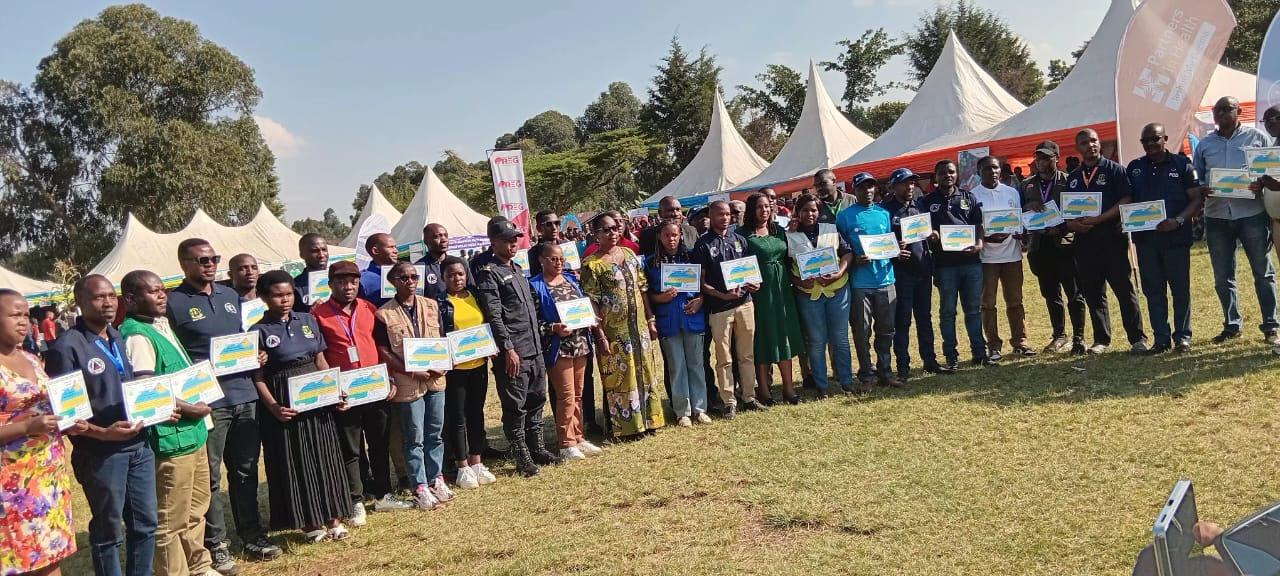
BIOHARVEST SOLUTIONS Ltd participated in the Burera Open Day Expo held from June 24–28, 2026, showcasing its work in Conservation Agriculture Plus and Village Savings and Loan Associations.
The five-day exhibition brought together agribusinesses, farmer cooperatives and development partners to highlight innovations driving Rwanda's agricultural transformation. BIOHARVEST presented its integrated model of soil restoration, climate-smart agriculture and financial inclusion.
Visitors engaged with displays of Farmer Field Schools, Hinga Neza success stories and CA+ practices such as minimum tillage, mulching, crop rotation and agroforestry. The company also highlighted the impact of its VSLA networks in community savings and access to affordable credit.
The event provided a platform to strengthen partnerships with district authorities, farmer organizations and donors, reinforcing BIOHARVEST's role as a trusted, investment-ready partner in Rwanda's agricultural sector.